
Supporting Strategic Goals
OIT supports the goals of the “Wolfpack 2030: Powering the Extraordinary" strategic plan.
- Partnered with the College of Engineering for undergraduate students to build AI models with HPC and Amazon Web Services, resulting in the deployment of Open OnDemand and Jupyter Notebook.
- Developed a syllabus creation and management tool to help meet the new UNC System public syllabi requirement.
- Developed a new Data Security Training geared toward students, in addition to employees, to equip the entire campus community with critical digital safety skills.
- Project Management Lite interns demonstrated exceptional technical capability, operational support and program leadership. Their contributions advanced university infrastructure upgrades, strengthened compliance frameworks and enhanced user experiences across campus.


- Implemented a Proposal Development module in the RED system and began implementing a Human Subjects module planned to go live in late 2026.
- Established the Research Computing and Data (RCD) unit combining staff from Shared Services and the Research Facilitation Service.
- Following a user survey, the HPC Hazel cluster is transitioning from LSF to Slurm for job scheduling.
- Stood up a local large language model that can be run on HPC or NSF resources and may enable future computing on campus without external charges associated with specific frontier models.
- RCD hosted a training for Claude Code users after the tool was approved up to red data for researchers.
- Continued to meet regulated research requirements for federal grants focused on CUI and other strict requirements.
- Expanded partnership to support growing needs for CLAWS and the new Defense and Security Institute.
- Automated rollout for new smaller research projects by leveraging existing configuration management/orchestration methods used in other production services, including AERPAW, Project SPEED and Juntos project.
- Created redundant support for key research and other services, such as Enterprise Resource Planning, by building small overlapping teams.
- Reduced costs and improved security by redistributing retired devices to colleges for field research.

- Collaborated with UNC-Chapel Hill and Duke University to revive the UNC CAUSE Network Special Interest Group.
- Supported institutional GLBA assessment activities through a three-tiered approach — organizational, business and systems level — to strengthen regulated financial information protection and improve compliance.
- Supported 50,000 phone lines across the state including four UNC System schools and the State of North Carolina Department of Information Technology.

- Achieved a 77.5% reduction in web accessibility errors (cutting errors from 2.35 million down to approximately 529,000).
- Revised campus policies to formally mandate digital accessibility and establish it as a shared responsibility across campus.
- Engaged nearly 4,000 community members in digital accessibility training and developed more than 35 unit accessibility plans in collaboration with campus partners.
- Partnered with the Office of Equal Opportunity to develop a pilot using Auracast, a Bluetooth-native assistive listening technology, to improve classroom accessibility
- Delivered compassionate, respectful support to individuals who contacted the Help Desk or visited the Walk-in Center.
Stories

Digital Accessibility Website Merges With University Accessibility Hub

Learn It, Audit It, Improve It: A Campuswide Digital Accessibility Initiative

NC State Advances Digital Accessibility Efforts Ahead of April 24 Deadline

Digital Accessibility Initiative Results in 77.5% Reduction in Web Errors
- Transitioned University Towers from a third-party vendor to ResNet.
- Completed phone service transition from Windstream to AT&T.
- Expanded critical user support, such as password resets and account reactivations, through the 24/7 operations team.
- Launched the Guest and Affiliate System to centralize and streamline campus operations and security when guests and affiliates need access to university IT resources.
- Modernized IT Purchase Compliance by transitioning to ProcessUnity, a new platform designed to streamline reviews and ensure alignment with university requirements.
- Partnered with campus Human Resources leadership to launch an improved employee offboarding process to ensure the timely removal of system access and limit account misuse.
- Expanded Kubernetes, a container orchestration service, broadly to support dozens of applications and hundreds of websites, allowing for more agility, efficiency and scalability supporting multiple units.
- Expanded the role of a centralized IAM system to manage user lifecycle in enterprise systems such as Wolfpack One Card and door access.
- Rewrote the Web Registry Google request and provisioning system with a faster, cleaner user interface, improved management features and more supportable codebase.
- Developed a multi-tenant, end-to-end certificate automation system to improve security and decrease management overhead caused by shrinking certificate lifetimes.
- Established a lifecycle management framework for 15,000 existing Google alumni accounts to improve resource management and security.


- Progressed toward a medium-term investment with an external partner to make 1.5 MW of power available within the next year and a half to support computing.
- Following a user survey, purchased additional GPUs for HPC and received a donated system from Lenovo to increase compute capacity approximately 1 petaflop, a 50% increase over current capacity.
- Deployed dedicated, secure file sharing (Box) and teleconferencing (Teams.gov) parameters to allow the CLAWS project team to collaborate safely under specific federal regulations with government partners.
- Partnered with AI advisory groups and campus IT stakeholders to help mature the AI awareness and universitywide guiding principles.
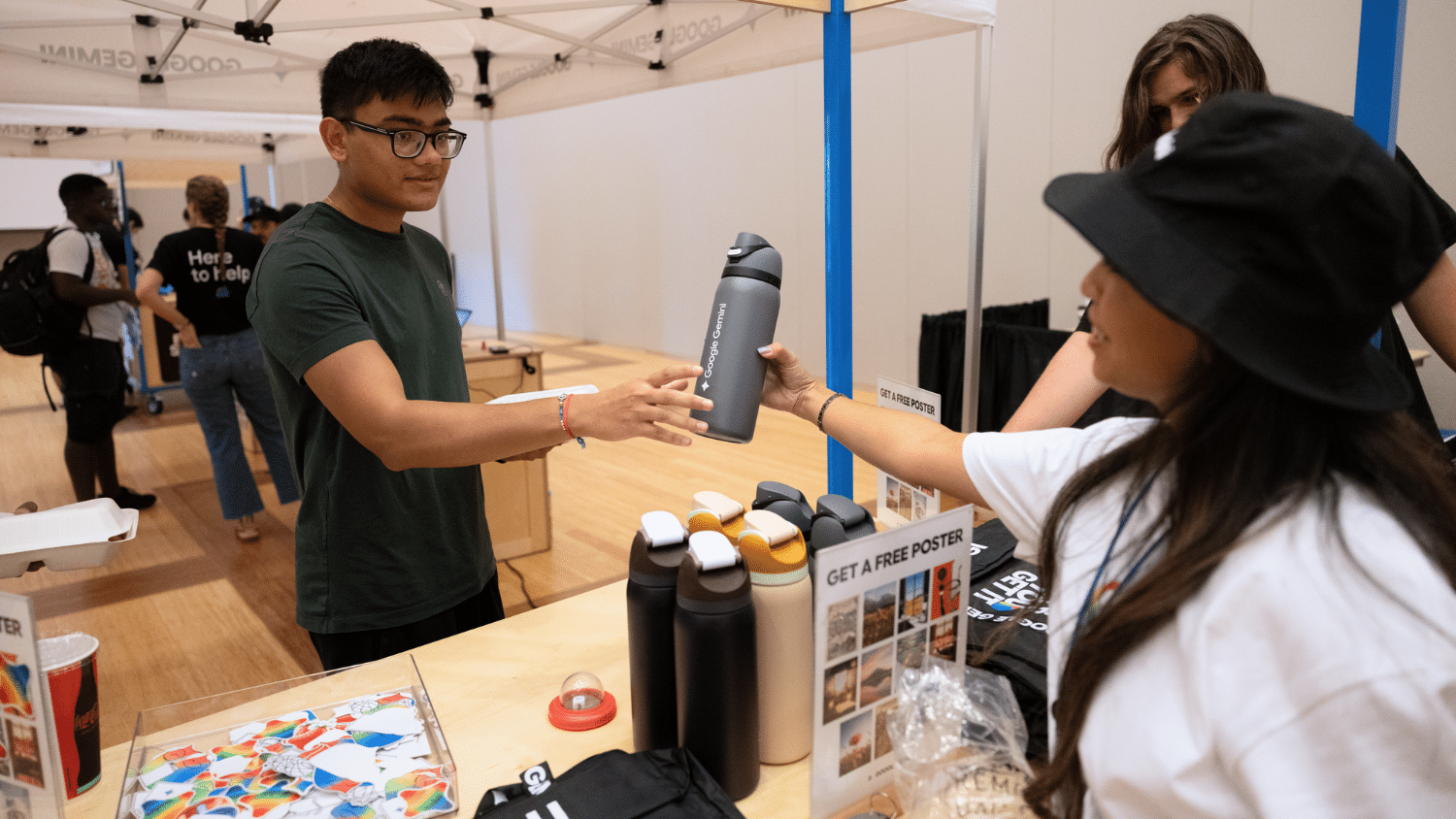
- Supported the growth in AI solution purchasing and ongoing licensing, including the standardization of several key AI platforms, such as Gemini, Copilot, ChatGPT and Claude.
- AERPAW was highlighted in an FCC call for comments related to the president’s “Unleashing American Drone Dominance Executive Order.”
- Contributed to university leadership efforts with EDUCAUSE, strengthening NC State’s recognition and influence in higher education IT and security.
- The Esports Lab at Hunt Library engaged in nationally recognized events, paving the way for the highly anticipated esports expansion into Mann Hall with the newly named Lenovo Esports Arena.
